
Work Methodology
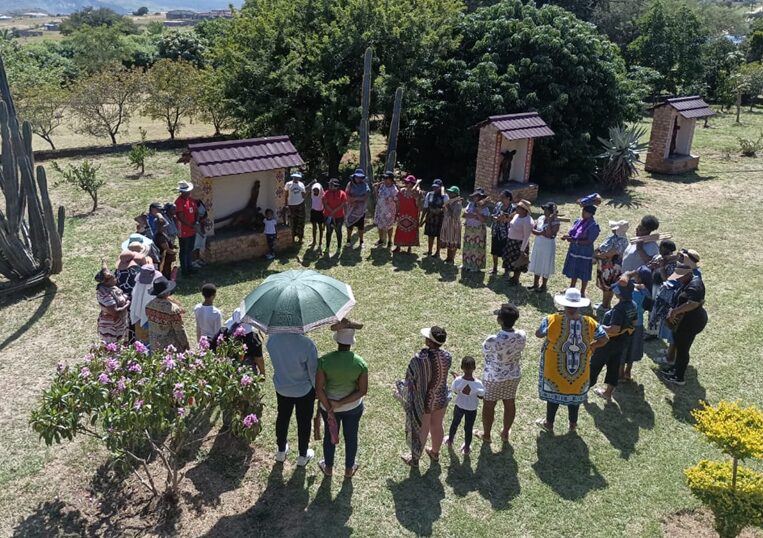
We believe health care is not just about medicine, it’s about dignity, trust, and reaching those too often left behind. CATHCA’s approach is rooted in compassion, collaboration, and the belief that every person matters, no matter where they live or what challenges they face. From remote villages to bustling clinics, we walk alongside communities, adapt to real needs, and build systems that last.
Here’s how we make it happen.
Reaching the Furthest Behind
From remote villages and informal settlements to deprived urban areas, farm fields, and mining camps, our teams and network partners bring care directly to the people. We call this reaching the furthest behind—bringing care to those who need it most but are hardest to reach. CATHCA deploys community health workers—coordinating closely with local health facilities and key stakeholders—who speak local languages and meet people where they are. If patients can’t easily come to the clinic, we bring the clinic to them. When we close the distance between patient and provider, we reduce travel costs, shorten waits, increase access to care, and ultimately save lives
Person-Centre, Compassionate Care
Healthcare begins with kindness and respect. We champion person-centred, compassionate care, which means treating each patient as a person, not a number. This approach respects each individual’s gender, age, and cultural background, and it builds trust through empathy. CATHCA’s health workers take time to listen without judgment, protect patient privacy, and make sure each person feels seen and heard.
Respect and empathy are particularly important in communities with strict gender roles or where young people feel intimidated by authority. We remind our caregivers and health workers that healing begins with humanity—a kind word and a sympathetic look can be as vital as a prescription. When patients feel safe and respected, they are more likely to seek care early, stick to their treatments, and open up about sensitive issues. Empathy leads to trust—and trust leads to better health outcomes.
Empowering Communities, Not Just Delivering Services
We don’t just deliver health services, we empower people to take charge of their own health. This means involving communities as active partners rather than treating them as passive recipients. We invest in health education, train local caregivers and volunteers, and support community leadership in health initiatives. When we share knowledge and tools, we help people make informed decisions and even advocate for their own needs. CATHCA focuses on building local capacity so that improvements continue long after a project ends. Empowerment is about dignity and agency—when individuals and communities have a voice in their health, they become co-creators of solutions, not just beneficiaries. Ultimately, empowering communities leads to more sustainable and resilient outcomes than a one-sided service delivery model.
Partnering for Sustainable Solutions
Sustainable health care solutions are built through partnership, not isolation. We cultivate strong relationships at every level—with government agencies, civil society groups, and donors—to align our efforts and achieve greater impact. We also engage faith leaders, traditional authorities, and community champions to bridge the gap between health systems and the people they serve.
These multi-level partnerships enable shared planning, co-ownership, and mutual accountability. Community insights guide broader strategies, and high-level support helps grassroots initiatives thrive—a two-way street of learning and cooperation. Whether we’re tackling HIV and TB, addressing mental health, or improving maternal and child care, CATHCA often acts as a facilitator, bringing everyone to the table. We break down silos and encourage collaboration, creating momentum for change that no single actor could achieve alone. Resilient health systems are co-created by communities, partners, and all of us working together.
Advocating for Inclusive Health Systems
Advocacy isn’t an afterthought for us—it’s at the heart of everything we do. We don’t just run projects that help a certain number of people, we work to improve the health system itself, especially for those at the margins. We raise our collective voice for equitable, compassionate, and people-centred health services that leave no one behind, joining forces with our member organisations, faith leaders, and community advocates. From clinic meetings to national forums, we push for stronger, more inclusive health policies and practices to ensure every person is valued and served by the health system.
CATHCA’s advocacy is woven into every project we implement. We empower communities to speak up about their needs, support local health committees, and help people hold authorities accountable. Ground-level insights from patients and caregivers inform decision-makers, helping shape policies and practices that reflect real-world needs and uphold the dignity and rights of every person—helping ensure that no one is left behind in health care.
Adaptive Management and Continuous Learning
In a constantly changing environment, one size does not fit all. That’s why we practice adaptive management—staying flexible and learning as we go. Instead of rigid plans, we use data and on-the-ground insights to guide our decisions. We monitor what’s working and what isn’t, listen to community feedback, and adjust our approach when needed. If one method isn’t working, we’ll change course based on what we learn.
This cycle of serving, learning, and adapting keeps our work effective and relevant. Adaptive management keeps CATHCA nimble, so we can respond quickly to challenges and stay focused on what works best for those we help.
Join us in making this vision a reality. Together, we can ensure that no one is left behind on the journey toward health and hope for all.